


 This is the 4th training held in Spain.
Bilingual English/Spanish
Module A – April 2 to 7, 2027
Module 1- September 10 to 15, 2027
Module 2 – March 31 to April 5, 2028
Module 3 – September 8 to 13, 2028
Module 4 – April 6 al 11, 2029
Module 5 – September 7 to 12, 2029
Module 6 – April 5 to 10, 2030
Module 7 – September 13 to 18, 2030
Module 8 – April 4 to 9, 2031
There are some pre-requisites to apply for this training. Please kindly look into the tab about inscriptions.
There will be interviews with the teachers starting in 2026.
If you are interested to apply please send an email to: formacioncastellinolinda@gmail.com (this is Lin/Linda email)
Cost:
Registration/Initial deposit: 800 euros
Each of the 9 modules cost 1.100 euros. We ask candidates to register if they have the intention to participate in the whole training.
By account name:
Formación Perinatal S.L.:
IBAN: ES54 2100 0974 8102 0012 3799
SWIFT CODE: CAIXESBBXXX


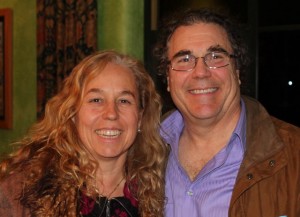
 Mary Jackson, RN, LM, RCST®, Tara Blasco Ph.D. RCST®, Carme Renalias RCST® and CST teacher and Lin Vermeiren RCST®, SE, IFS and Apppah educator will co-lead the training that was created by the late Ray Castellino. In addition, there will be a team of bilingual (English/Spanish) assistants to support the training process.
Designed to teach or enhance your skills in:
- Holding therapeutic presence
- Tracking somatic, energetic and fluid tide rhythms to assess and facilitate the resolution of prenatal and birth stress and trauma
- Identification of your own prenatal and birth countertransference issues so you can develop the skill of effectively translating the energy of your activations into effective and compassionate therapy
- Relating the client’s present experience, behavior and emotional states to prenatal and birth imprinting in function and structure
- Recognizing prenatal and birth imprinting in body language, body structure, movement, personality and character structure in babies, children and adults
- Developing the client’s internal resources so they may effectively explore and resolve early traumatic imprinting
- Recognizing the way prenatal and birth imprinting affects family dynamics, and knowing how to work with infants and children within their family systems
- Holding clear and effective therapeutic boundaries in the context of prenatal and birth therapy
- Using therapeutic verbal, energetic and touch skills in the context of prenatal and birth therapy
- Making contact with others from your own experience, and identifying and working with your own prenatal and birth patterns
- Facilitating babies, children and their parents in BEBA style family sessions
- Facilitating adults in small group Womb Surround Process Workshops
Module Details
Each training module covers a specific area of learning. The curriculum is designed to give you an overview of the work and to build specific therapeutic skills in a progressive and layered manner using didactic instruction, facilitation skills and personal experiential exploration. Skills for facilitation of adults in small groups and families in infant/child- centered settings are emphasized throughout the training.
Module A – Preparation: Presence, Connection & Blueprint
An introduction to practical presence and hands-on skills as it pertains to the somatic approach.
Skills introduced in this module include:
- Tracking tempo and establishing integrative rhythms with the blueprint.
- Connecting with ourselves and others through presence, listening, and touch.
- Dynamic Creative Squeeze and Opposition.
- Story showing movement.
- How to employ the CastellinoTraining® Principles.
Module I – The Preconception and ConceptionJourney
 Paradigm, shock imprinting and developing the internal reference structure for prenatal and birth therapy are this module’s primary subject areas. Dr. Castellino will introduce you to an integration of energetic, somatic, physiologic and psychotherapeutic principles which form a foundation for the prenatal and birth therapist. The skills introduced in this module include therapeutic centering, orienting, tracking autonomic cycling and related fluid tide dynamics, modulating therapeutic pace or tempo, identifying resource behaviors, recognizing the therapeutic leading edge, and differentiating between trauma and shock imprinting.
Module II – Bonding and Attachment
Covers the bonding process from early prenatal through post-birth time. The issues of connection and separation are primary themes as are issues of receiving nutrition and emotional nurturing. This module covers:
- How early imprinting affects future relationship formation, and individual motivation patterns. Prenatal implantation dynamics, the development of the placenta and the umbilical cord. Energetic umbilical dynamics, and related movement imprinting.
- Birth dynamics, the cutting of the umbilical cord, newborn self-attachment behaviors and the nature of the baby’s first contact with her mother and father after birth. The baby’s ability to attach to his/her mother emotionally, at the breast and the establishment of healthy nursing patterns.
- Specific therapeutic protocols for resourcing, resolving and repatterning bonding and attachment trauma and a means for establishing nursing with babies who are unable to nurse or having difficulty with nursing.
Module III – Birth Imprinting
Covers the vaginal birth process, birth stages, pelvic types, cranial molding, birth movement patterns and an introduction to infant craniopathy. It introduces tracking fluid tide dynamics
Module IV – Chemical Imprinting
Covers imprinting from anesthesia, nicotine, fetal alcohol and drug syndromes. We will look at the effects of chemical imprinting on prenates and babies’ psyches, their movement patterns, their energy patterns and the development of the central nervous system. Specific protocols for resolving and repatterning of chemical imprinting are covered. A new theory is presented explaining the way chemical imprinting affects the function of the cerebral spinal fluid system. Your understanding of the cranial / sacral fluid tide system and the embryonic development of the brain will be enhanced so that you can use your visualization, energetic sensing, fluid tide palpation, and bodywork skills to support the resolution of traumatic chemical imprinting.
Module V – Surgical Imprinting
Covers forceps, vacuum extraction, cesarean section, circumcision and prenatal and infant surgery. You will learn how to identify signature cranial molding patterns, movement patterns and psychological impacts of each birthing style. You will learn the cranial impacts of forceps and vacuum extraction as well as specific treatment protocols for each type of surgical intervention. We will explore the effect of these procedures on physical structure and on the expression of the body’s energy and fluid tide systems.
Module VI and VII – Life Death Loss and Double Binds
 Double bind or paradoxical imprints provide the most complicated dynamics in the PPN field. Double binds amplify practitioner counter-transference issues and complications for facilitating groups and families. This subject matter is saved for the sixth and seventh Foundation Training modules because the dynamics of these trauma impacts provide the practitioner with the greatest counter-transference challenges in the prenatal and birth therapy field. The curricula of the first five modules is designed to build the trainees’ understanding, perception, presence and therapeutic skills so that they are more prepared to explore the effects of double binds in effective and compassionate ways.
Having two modules devoted to developing skills for facilitating double binds give plenty of space to explore the depth of these early complicated imprints. Special attention is given to how double bind imprints affects families and group dynamics.
Double bind or paradoxical imprints provide the most complicated dynamics in the PPN field. Double binds amplify practitioner counter-transference issues and complications for facilitating groups and families. This subject matter is saved for the sixth and seventh Foundation Training modules because the dynamics of these trauma impacts provide the practitioner with the greatest counter-transference challenges in the prenatal and birth therapy field. The curricula of the first five modules is designed to build the trainees’ understanding, perception, presence and therapeutic skills so that they are more prepared to explore the effects of double binds in effective and compassionate ways.
Having two modules devoted to developing skills for facilitating double binds give plenty of space to explore the depth of these early complicated imprints. Special attention is given to how double bind imprints affects families and group dynamics.
Module VI Focuses on ancestral influences and twin dynamics and twin loss. Ancestral influences on individuation are explored to differentiate twin and ancestral imprinting. Twin embryonic and placental development are correlated with twin behavior later in life. Lost twin syndrome affects on singleton behavior is covered. You will learn to identify twin psychological imprinting, the counter-transference / transference issues involved and twin dynamic therapeutic protocols. Breech birth presentation is covered in this module because a high percentage of breech presentations have occur during twin births.
Module VII Focuses on adoption, previous abortion and miscarriage, abortion attempts, traumatic impacts of death in the family during pregnancy, A.R.T. (Assisted Reproductive Technology) and NICU experience. The skills for facilitating double bind dynamics are further developed and refined in this module.
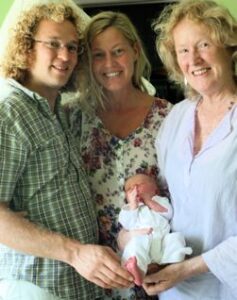
Module VIII – Family and Group Dynamics
Our final module is designed to transition the practitioner from foundation skill building to a model for a family practice, individual/couples practice and for an adult small group practice.
This module includes the following:
- Each student with create and share their plan for integrating the work into their practice and life.
- The structural components for a process session, both with adults in a Womb Surround process workshop setting, and with families in infant/child-centered family settings.
- An introduction to the organization BEBA: A Center for Family Healing.
- A deepening into the main components of Womb Surround process workshops.
- An opportunity for students to ask questions about clinical practice.
- An orientation to possible future steps to deepening the work and to create layers of support.

